



Advice for Enterprise & Wiregrass drivers from Mitchell CDJR
Quick answer: a wheel alignment keeps your tires wearing evenly, your steering straight, and your fuel economy and safety at their best. Skipping alignments costs you far more in tires and suspension repairs than the service itself.
What Is a Wheel Alignment, Exactly?
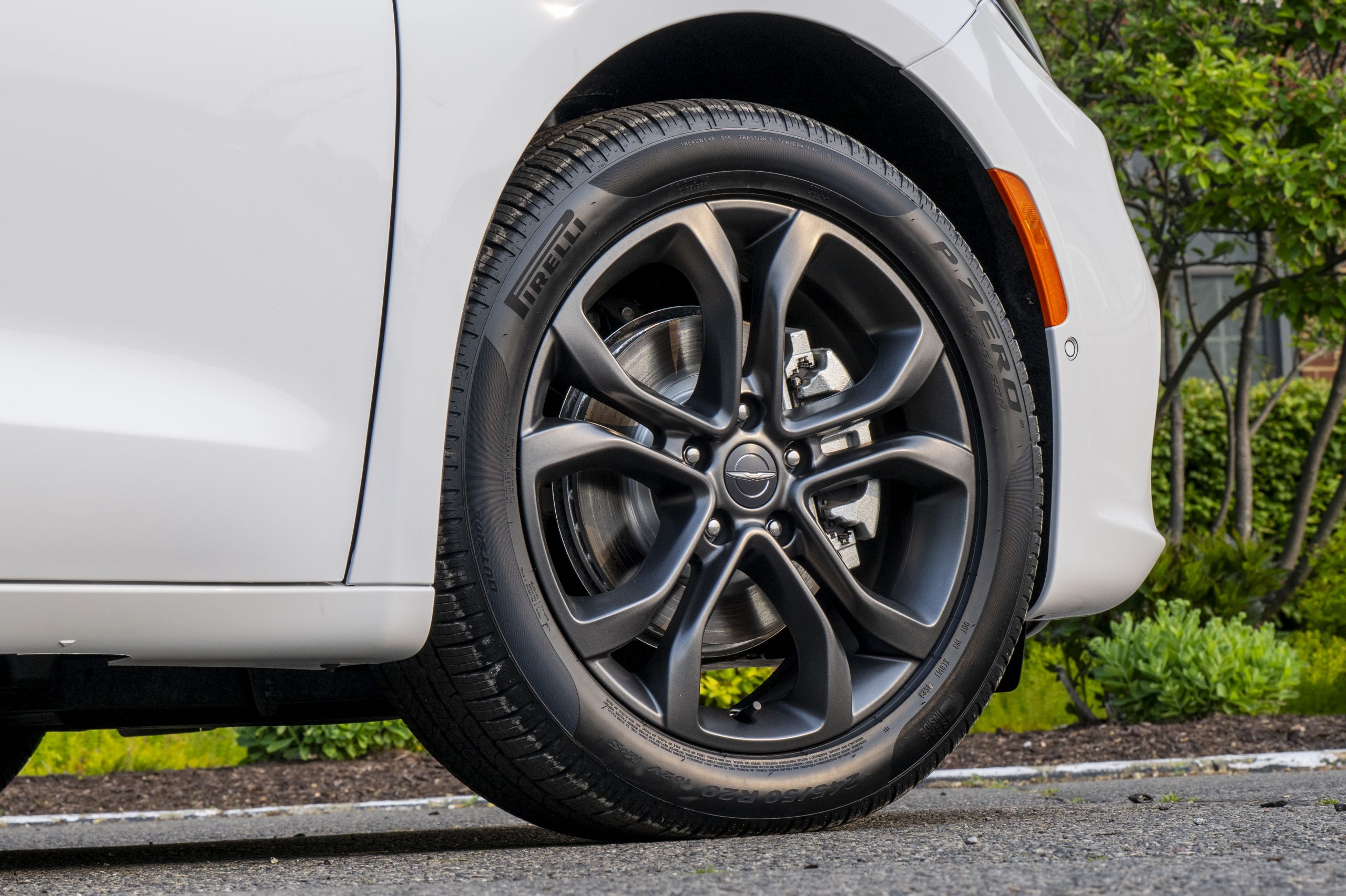
An alignment is a precise adjustment of your vehicle’s camber, caster, and toe so your wheels point perfectly straight and meet the road at the correct angles. Technicians compare your vehicle’s current measurements to factory specifications and adjust suspension components to bring everything back into spec.
- Camber: inward/outward tilt when viewed from the front
- Caster: forward/backward tilt of the steering axis (helps straight-line stability)
- Toe: whether tires point inward or outward when viewed from above (major driver of tire wear)
7 Big Benefits of Regular Alignments
- Longer Tire Life – Even a small toe error can scrub rubber off your tread. Alignments can add thousands of miles to a set of tires.
- Straighter, Safer Steering – Your vehicle tracks straight, the wheel returns to center, and lane changes feel controlled.
- Better Fuel Economy – Misalignment creates rolling resistance. Correcting it reduces drag and helps MPG.
- Smoother Ride & Less Vibration – Proper geometry keeps the vehicle settled over bumps and through curves.
- Protects Suspension Parts – Bushings, ball joints, and tie rods last longer when the angles are correct.
- Quieter Drive – Irregular tread wear (feathering/cupping) gets noisy; alignment prevents it.
- Helps Preserve Tire Warranty – Many tire warranties exclude damage from misalignment and uneven wear.
Signs You Need an Alignment
- Car pulls left or right on a straight, flat road
- Steering wheel is off-center when driving straight
- Uneven or rapid tire wear, feathered edges, or cupping
- Squeal from the tires in gentle turns
- You’re constantly correcting the wheel to stay in your lane
- You recently hit a pothole/curb, drove off-road, or were in a suspension/steering repair
How Often Should I Get an Alignment?
- Every 12 months or 12,000–15,000 miles is a good rule of thumb for most drivers in Enterprise and the Wiregrass.
- Immediately after: installing new tires, replacing suspension/steering parts, a collision or curb strike, or after lift kits/leveling kits (especially common for Jeep and truck owners).
- More frequently if you regularly drive rough roads, construction zones, or off-road trails.
Alignment vs. Balance vs. Rotation (They’re Different)
- Alignment = sets angles so the wheels point correctly.
- Balance = adds tiny weights to each wheel/tire to stop vibration at speed.
- Rotation = moves tires front-to-rear/side-to-side so they wear evenly.
All three work together to protect your tires and ride quality.
Types of Alignments We Perform
- Four-Wheel Alignment: Aligns both front and rear; best for most modern cars, SUVs, and trucks for maximum precision and tire life.
What to Expect at Mitchell CDJR
- Road Test & Tire Inspection – We look for pull, steering effort, and tire wear patterns.
- Computerized Measurements – We measure camber/caster/toe against OEM specs.
- Precision Adjustments – We set angles to spec and center your steering wheel.
- Before/After Report – You’ll leave with a printout showing your exact measurements.
- Recommendations – If we see worn components, we’ll explain options before doing any work.
Tip: Pair your alignment with a tire rotation and balance to reset wear patterns and get the quietest, most comfortable ride.
Local Driving Realities: Enterprise, AL & the Wiregrass
Our area’s mix of heat, heavy rain, construction zones, and rural roads is tough on suspension. Summer heat can soften bushings, while potholes and washboard surfaces knock angles out of spec. If you notice your car drifting on the Hwy 84 commute or after a weekend trail run, it’s time for a check.
Frequently Asked Questions (FAQ)
Will an alignment fix my steering vibration?
Not directly. Vibration is usually a balance or tire issue. We often do balance + alignment together to solve both causes.
Do I need an alignment when I buy new tires?
Highly recommended. New tires wear unevenly if the angles are off. Aligning now protects your investment.
How long does an alignment take?
Most vehicles are about an hour, depending on condition and adjustments required.
Can I align a lifted Jeep or leveled truck?
Yes. After lift/level kits, alignment is a must to bring angles back to safe ranges and keep your steering predictable.
What if my car still pulls after an alignment?
We’ll recheck angles and inspect tires for pull-causing issues (like conicity) and verify brake/suspension health.
Ready for a Straighter, Safer Drive?
Protect your tires and enjoy a smoother commute—schedule your wheel alignment at Mitchell Chrysler Dodge Jeep Ram in Enterprise, AL.
Our factory-trained technicians service all makes and models, and we’ll provide a clear before/after report with every alignment.
Connect with us

Recent Blog Entries
Categories
